



Health and Fitness Blog: Calories, BMI, and More

Health and Fitness Blog: Calories, BMI, and More

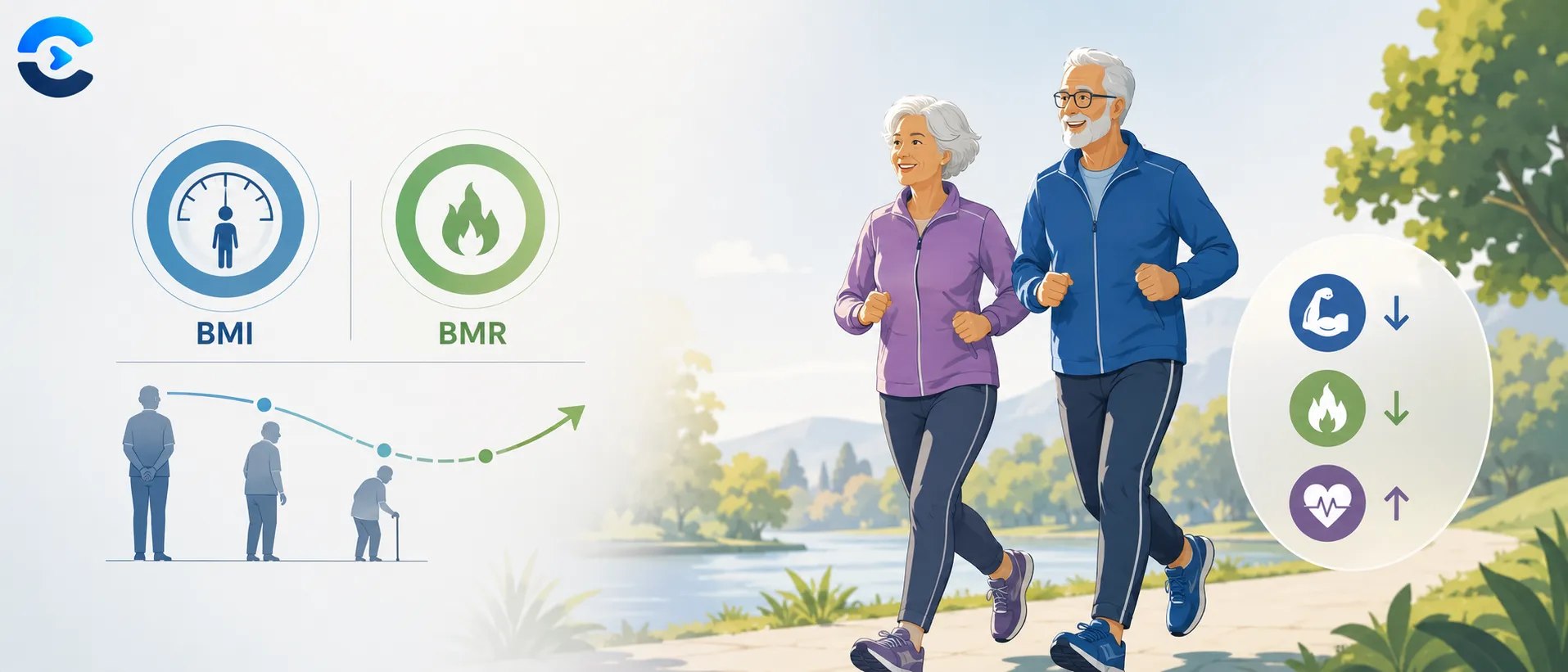
BMI BMR Calculation for Seniors: What Changes After 60

BMI BMR Calculation for Seniors: What Changes After 60

BMI BMR Calculation for Seniors: What Changes After 60 A bmi bmr calculation for seniors reads differently than the same numbers in a younger adult, because muscle naturally declines with

How to Calculate Macros for Cutting, Bulking, or Maintaining

How to Calculate Macros for Cutting, Bulking, or Maintaining

How to Calculate Macros for Cutting, Bulking, or Maintaining To calculate macros, first find your daily calorie target, then split that number into protein, carbohydrate, and fat grams based on

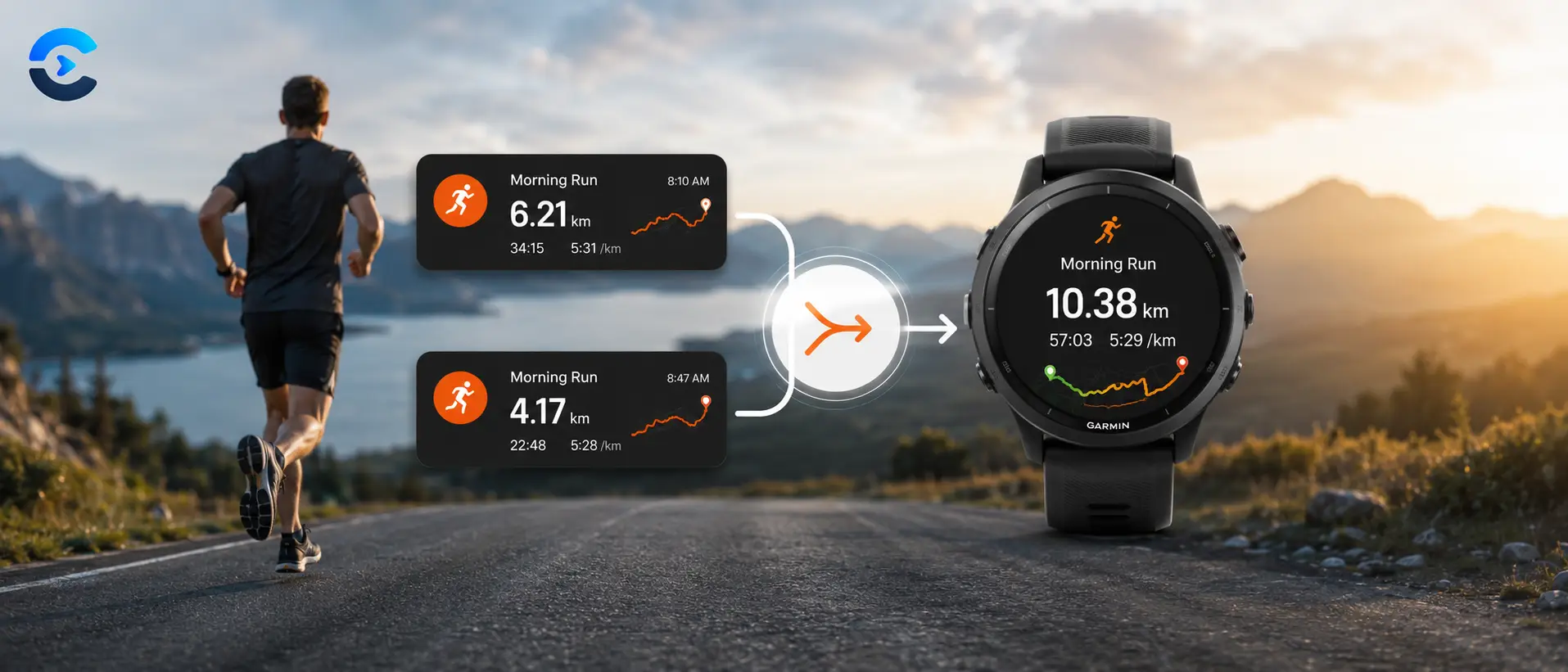
How to Combine Strava Activities Into One Ride or Run

How to Combine Strava Activities Into One Ride or Run

How to Combine Two Strava Activities Into One Ride or Run Your watch got paused mid-workout, or the auto-pause glitched, and now Strava shows two activities instead of the one

How Much Water Should I Drink Daily?

How Much Water Should I Drink Daily?

How Much Water Should I Drink Daily? Most adults need somewhere between 2 and 3.5 liters of total fluid a day, but the right amount for you depends on your

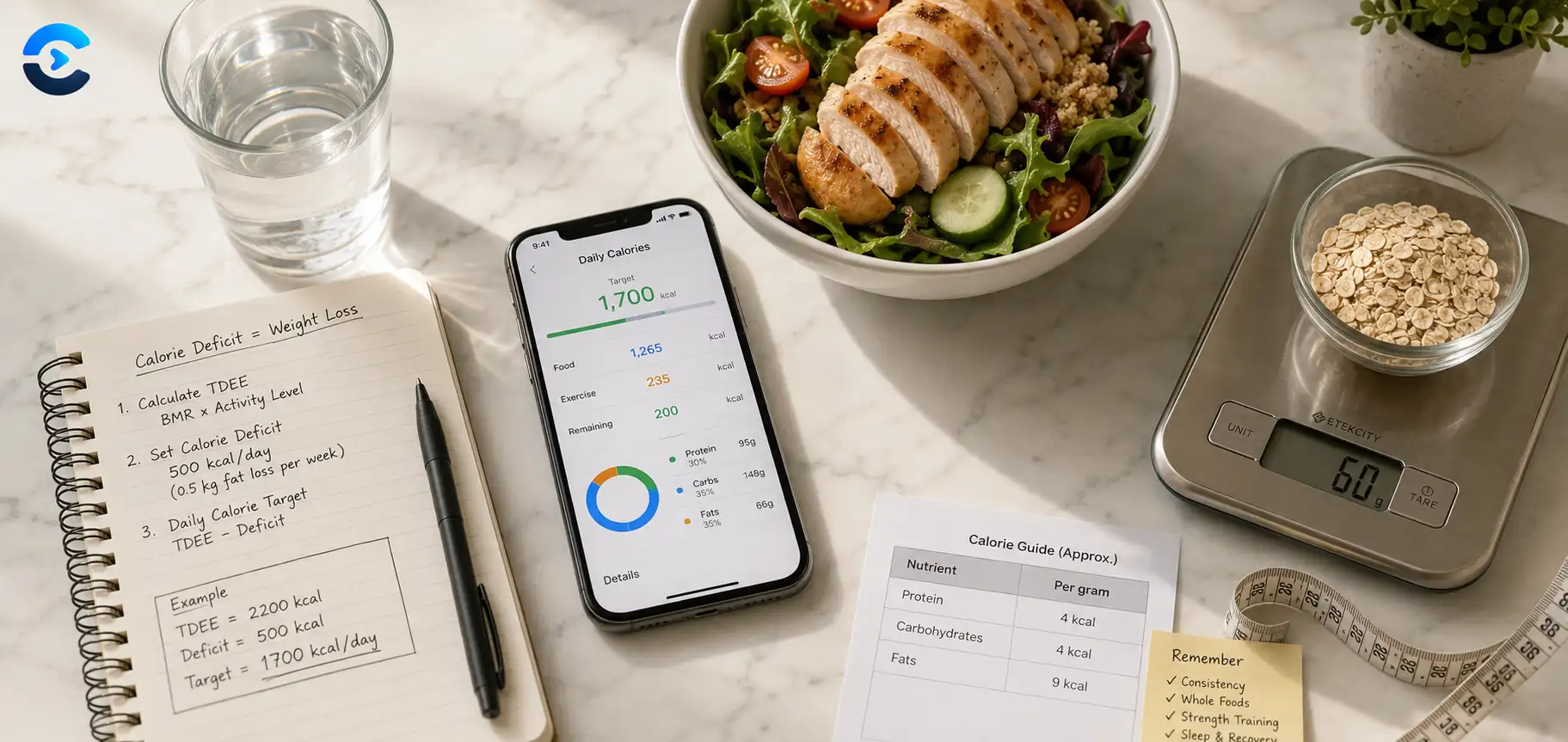
How Many Calories Do I Burn a Day? Real Numbers

How Many Calories Do I Burn a Day? Real Numbers

How Many Calories Do I Burn a Day? Real Numbers So how many calories do I burn a day? Your total daily burn, known as TDEE, is your basal metabolic


🏃 Health and fitness

What the calculators can tell you, and what they cannot

BMI, TDEE and macro splits are all estimates built on population averages. They are useful starting points and they are frequently presented as far more certain than they are.

Take BMI. It was designed in the nineteenth century to describe populations, not individuals, and it has no way to distinguish muscle from fat. That is why a well trained athlete can be classed as overweight while somebody sedentary with low muscle mass sits comfortably in the normal range. It is still a reasonable first screen at a population level. It is a poor verdict on a person.

Energy calculations have the same shape. A BMR formula such as Mifflin St Jeor was fitted to a sample of people, and your own metabolism may sit meaningfully above or below the prediction. Add an activity multiplier, which is a guess about how you spent your week, and the honest output is a range rather than a number. These posts explain the size of that uncertainty rather than hiding it behind two decimal places.

Used properly, that is enough. A TDEE estimate gives you a starting point, and two weeks of consistent data tells you how your body actually responds, which no formula could have predicted.

What you will find here

  • What each formula measures and the population it was fitted to
  • Honest explanations of where the estimates break down
  • Guides to using a number as a starting point rather than a verdict
  • Comparisons between competing formulas and why they disagree
FAQ

Questions about health and fitness blog

Short answers to what readers ask most about this category and the tools behind it.

No. Everything in this category is general information and the calculators are estimates built on population formulas. They cannot account for your medical history, medication, body composition or anything a clinician would examine. If you have a health concern or you are planning a significant change to how you eat or train, speak to a doctor or a registered dietitian.

As a population screening measure, reasonably useful. As a judgement on an individual, weak. It uses only height and weight, so it cannot separate muscle from fat or account for frame size and fat distribution. Read it alongside other measures such as waist circumference rather than on its own.

Mifflin St Jeor is the current general default and the one our BMR Calculator uses, because it performs better on average than the older Harris Benedict equation. If you know your body fat percentage, the Katch McArdle formula tends to be more accurate still, since it works from lean mass rather than total weight.

Because the activity multiplier is a broad bucket and individual metabolisms vary around the prediction by a meaningful margin. Treat the estimate as a starting point, hold it steady for two to three weeks while tracking honestly, then adjust based on what actually happened. Your own data beats any formula.

No. Every health calculator runs entirely in your browser. The figures are used for the calculation, displayed back to you, and gone as soon as you reload or close the tab. Nothing is transmitted and nothing is saved.

They use standard cycle based dating, which assumes a fairly regular cycle. Irregular cycles, hormonal treatment and other medical factors all shift the result, sometimes substantially. Use them for orientation and rely on your clinician for anything that matters.

Privacy Overview

Cookies let this site remember your preferences and show us which tools people actually use. Full detail sits in our Privacy Policy.