



Finance Blog: Loans, Savings, and Investing

Finance Blog: Loans, Savings, and Investing

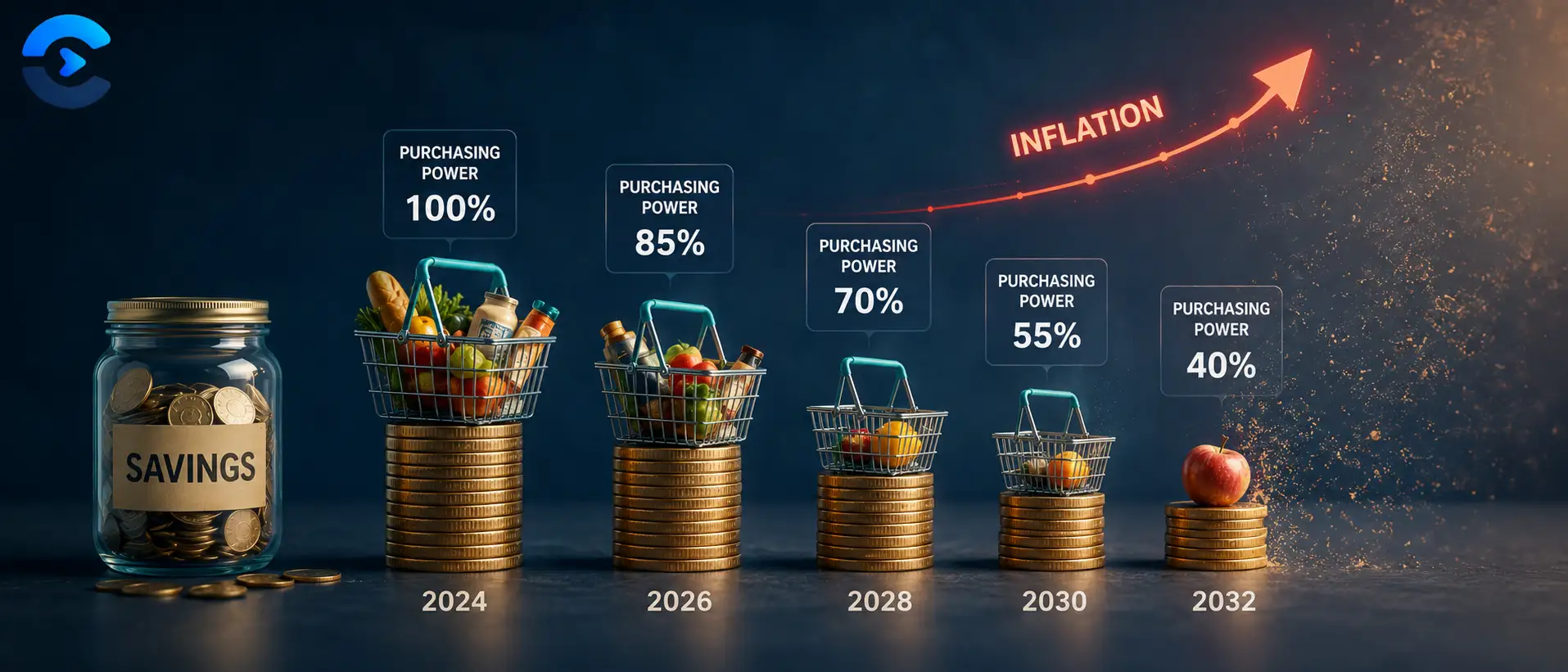
The Effect of Inflation on Savings, Shown With Real Numbers

The Effect of Inflation on Savings, Shown With Real Numbers

The Effect of Inflation on Savings, Shown With Real Numbers The effect of inflation on savings is that cash sitting in a low interest account loses buying power every year,

SIP Step Up Calculator Strategy for Yearly Increases

SIP Step Up Calculator Strategy for Yearly Increases

SIP Step Up Calculator Strategy for Yearly Increases A sip step up calculator strategy means raising your monthly SIP contribution by a fixed percentage every year instead of keeping it

Why Crypto Prices Differ Between Exchanges?

Why Crypto Prices Differ Between Exchanges?

Why Crypto Prices Differ Between Exchanges? Crypto prices differ between exchanges because each platform runs its own separate order book, so the price you see is really just the latest
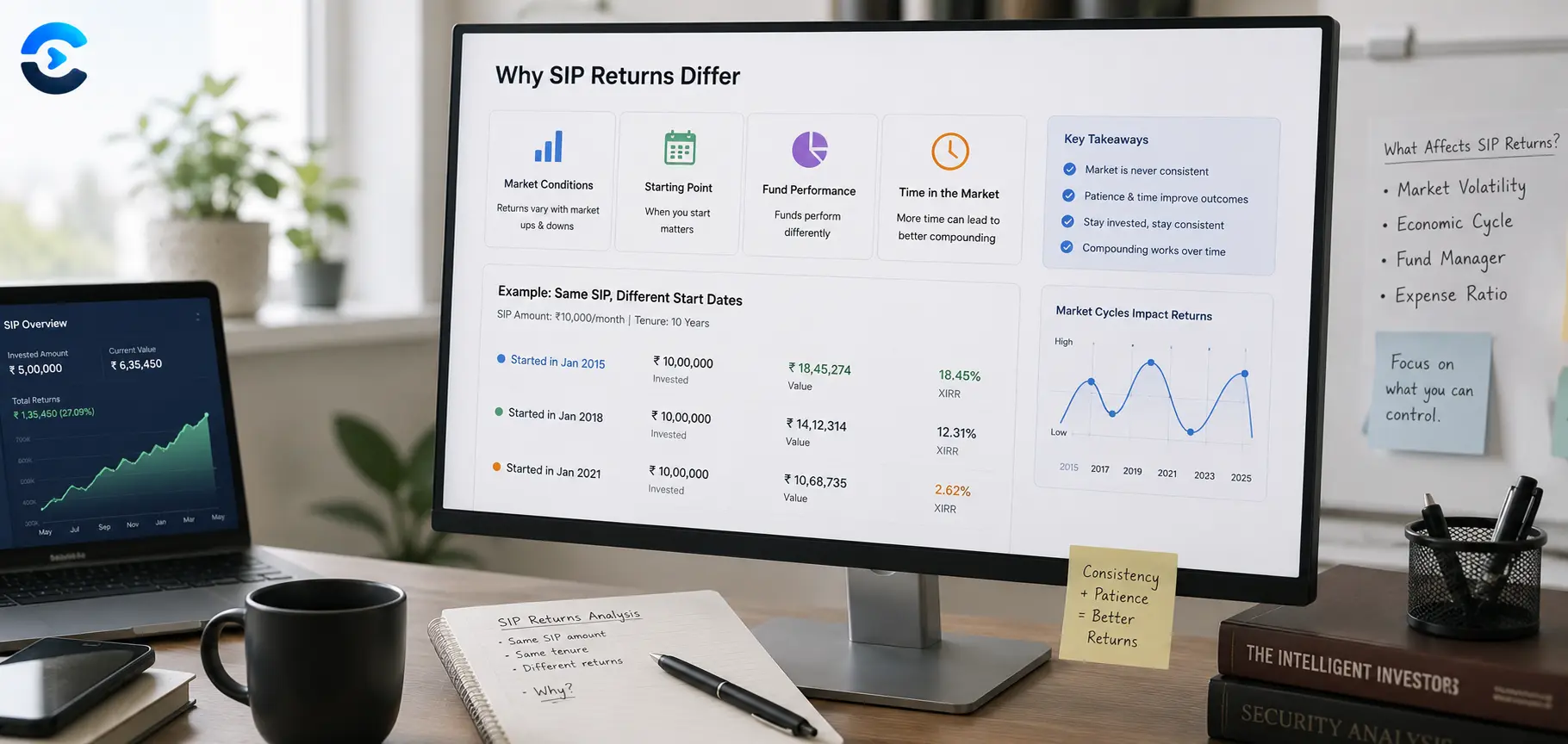
Why SIP Returns Differ From App Projections

Why SIP Returns Differ From App Projections

Why SIP Returns Differ From App Projections Why SIP returns differ from what your mutual fund app shows comes down to one core fact: a SIP calculator assumes a flat

Loan Overpayment Savings Calculator: Extra $100 a Month

Loan Overpayment Savings Calculator: Extra $100 a Month

Loan Overpayment Savings Calculator: Extra $100 a Month Take a $300,000 loan at 6.5 percent over 30 years. The standard payment runs about $1,896 a month, and paid on schedule


💰 Money explained

The maths behind the number you were quoted

A lender gives you a monthly figure. A fund shows you a projection. Neither shows the assumptions underneath, and the assumptions are where all the interesting differences live.

These posts work through the arithmetic of everyday money decisions and, more importantly, the assumptions each calculation quietly makes. An EMI figure depends on whether interest is charged on the reducing balance or a flat amount, and the same nominal rate can produce wildly different totals. A SIP projection depends on an annual return that nobody can promise, which is why the useful question is what happens if it is three points lower.

Compounding is the recurring theme, because it is where intuition fails hardest. People underestimate long horizons badly, and the gap between simple and compound interest over twenty years is not a little larger, it is a different shape of number entirely. The same mechanism working against you is why an extra payment early in a mortgage saves so much more than the same payment made late.

Nothing here is advice. It is arithmetic, worked out in public, so that you can walk into a conversation with a bank or a broker knowing which questions actually change the answer.

What you will find here

  • Step by step worked examples with the formula shown, not hidden
  • Side by side comparisons run on one identical scenario
  • Explanations of the assumptions that change a result the most
  • Plain answers on tax and invoicing mechanics such as GST
FAQ

Questions about finance blog

Short answers to what readers ask most about this category and the tools behind it.

No, and that distinction is not a formality. These posts explain how a calculation works and what it assumes. They do not know your tax position, your other commitments or your risk tolerance, and all three change what the right decision is. Use them to understand the numbers, then talk to a qualified adviser before you commit.

Each post states its jurisdiction at the top, because the rules diverge sharply. GST content is written around the Indian system, and salary examples say which country they assume. The underlying arithmetic transfers everywhere, but the rates and thresholds do not.

Usually one of three things: processing fees folded into the principal, insurance bundled with the loan, or a different day count convention for the first partial month. The EMI Calculator gives the clean arithmetic on the numbers you enter. If the bank figure is higher, ask them to itemise the difference, since that difference is negotiable more often than the rate is.

Trust the arithmetic, not the assumption. The compounding is exact, but the annual return you type in is a guess about the future, and small changes to it produce very large changes over twenty years. Run the projection three times, at your expected rate, three points lower and three points higher, and treat that spread as the honest answer.

No. Every finance calculator runs entirely in your browser, so the numbers stay on your device and are gone when you close the tab. The only exception is the currency converter, which fetches live exchange rates but sends no personal data to do it.

Tax rates and slabs are reviewed when governments change them, and each post carries the date and the assumptions it was written under. If you find a figure that has moved, email [email protected] and it gets corrected, usually the same week.

Privacy Overview

Cookies let this site remember your preferences and show us which tools people actually use. Full detail sits in our Privacy Policy.