

SEO and Marketing Blog: Traffic and Ranking Tips

SEO and Marketing Blog: Traffic and Ranking Tips

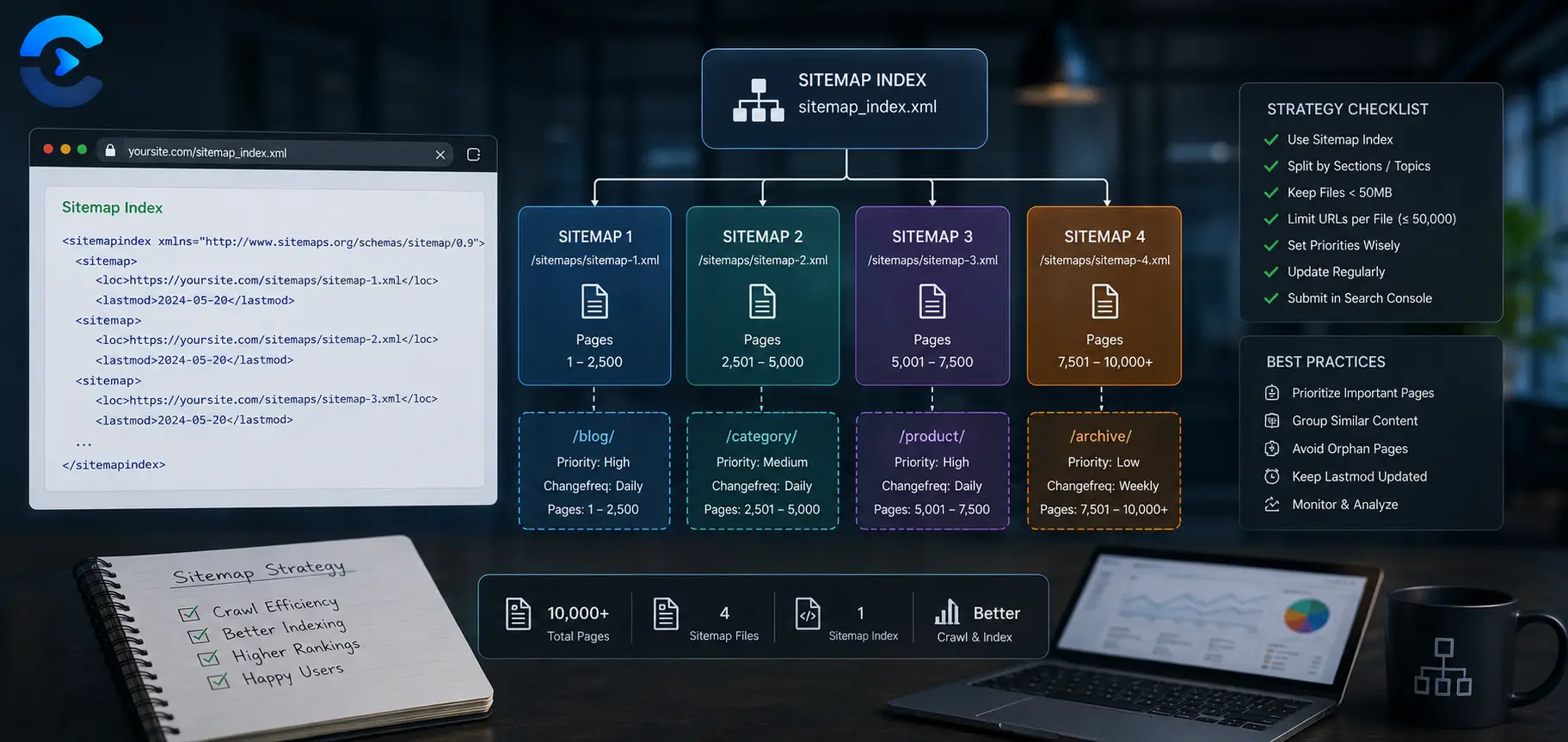
Sitemap Strategy for Large Websites (10K+ Pages)

Sitemap Strategy for Large Websites (10K+ Pages)

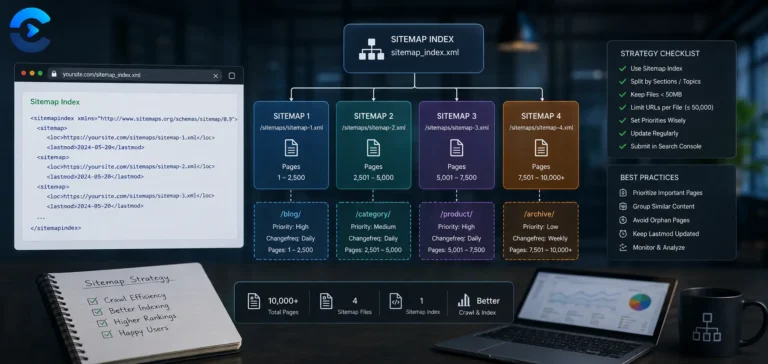
Sitemap Strategy for Large Websites (10K+ Pages) A sitemap strategy for large websites means splitting your URLs into multiple sitemap files grouped by content type or date, linking them together

Meta Tags for Ecommerce at Scale Without Duplicate Titles

Meta Tags for Ecommerce at Scale Without Duplicate Titles

Meta Tags for Ecommerce at Scale Without Duplicate Titles Getting meta tags for ecommerce at scale right means replacing static, hand written titles with a template built from product attributes,
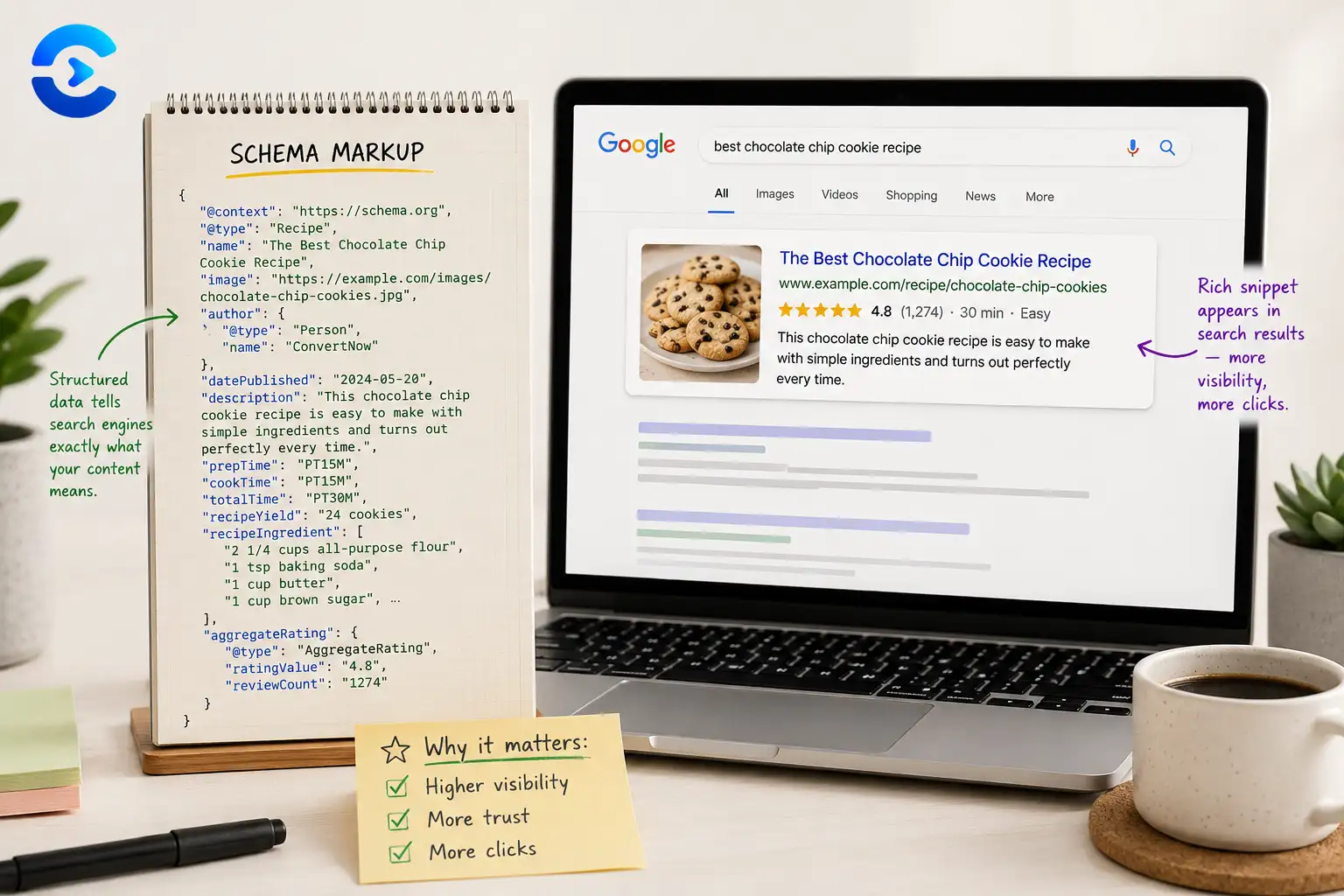
Why Isn’t My Schema Showing Rich Snippets? Explained

Why Isn’t My Schema Showing Rich Snippets? Explained

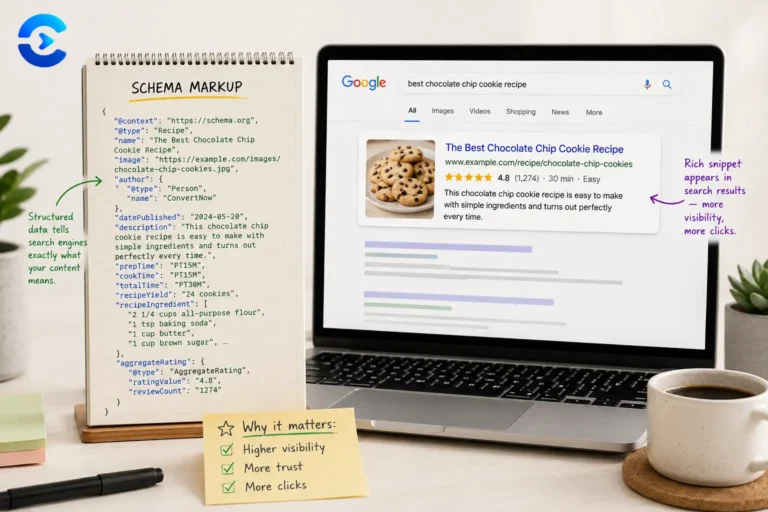
Why Isn’t My Schema Showing Rich Snippets? Explained Your schema might not show rich snippets because valid structured data only makes you eligible, it never guarantees display. Google decides case

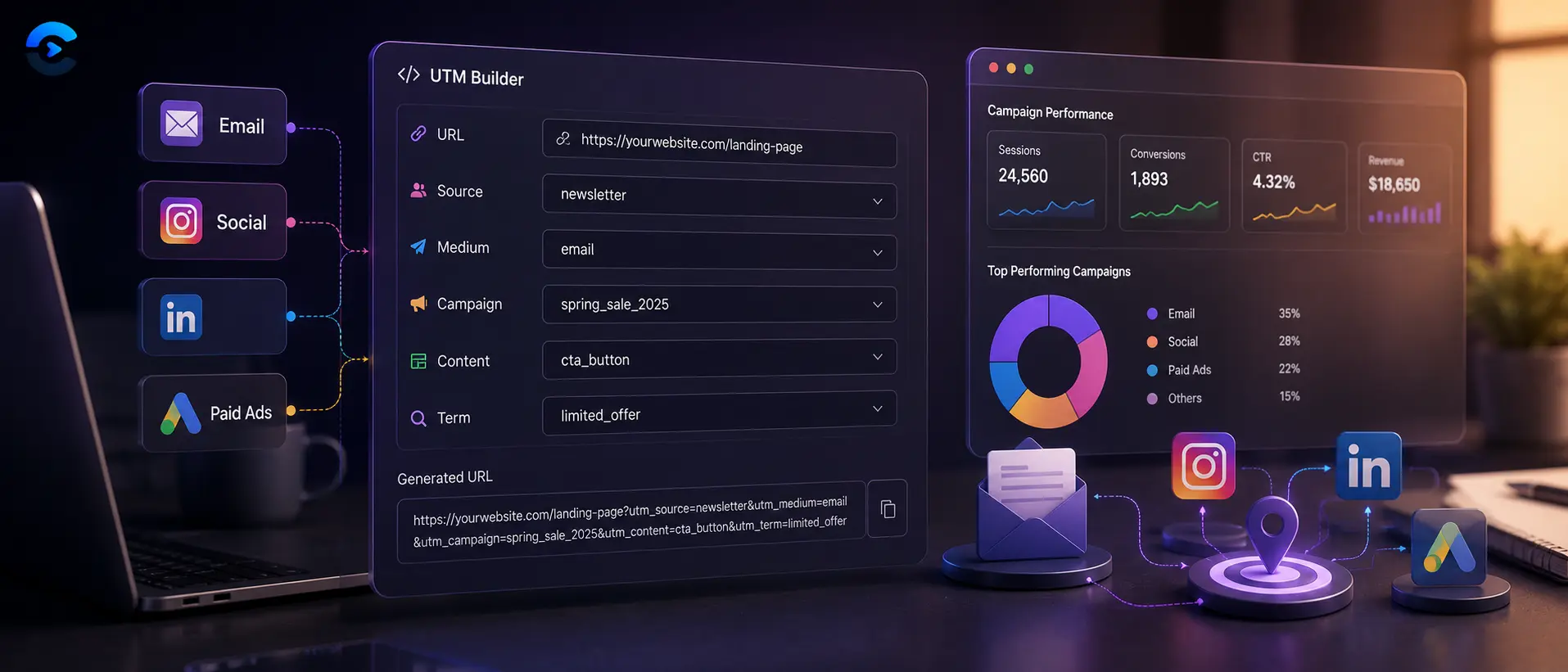
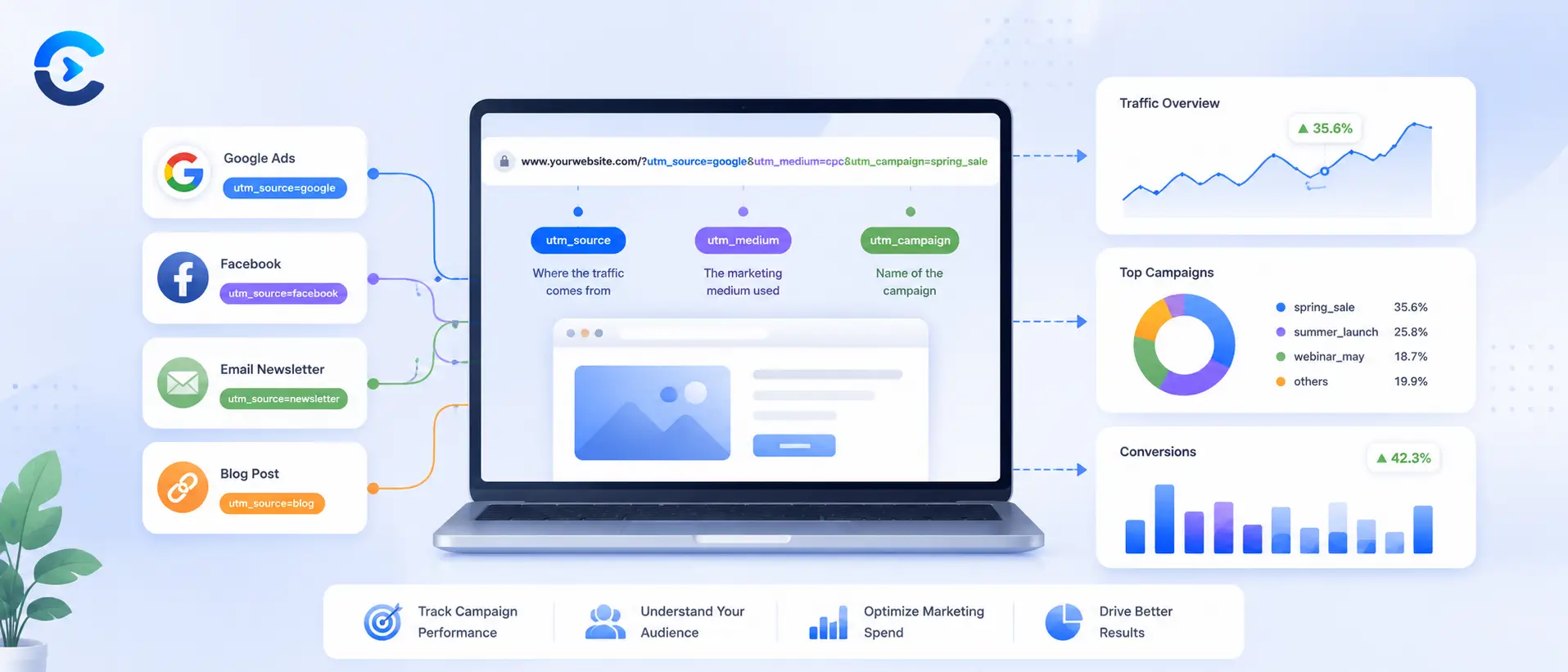
UTM Builder: How to Track Campaigns With UTM by Channel

UTM Builder: How to Track Campaigns With UTM by Channel

UTM Builder: How to Track Campaigns With UTM by Channel The short answer for how to track campaigns with UTM is this, add utm_source, utm_medium, and utm_campaign parameters to a

A Beginner’s Guide to robots.txt Allow Disallow Sitemap

A Beginner’s Guide to robots.txt Allow Disallow Sitemap

A Beginner’s Guide to robots.txt Allow Disallow Sitemap A robots.txt file uses three core directives together: Disallow to block crawlers from specific folders, Allow to carve out exceptions inside a


📈 SEO and marketing

The checks that actually change what appears in search

SEO writing is full of confident claims and short on verification. These posts stick to the parts you can check yourself, on your own pages, today.

Start with the mechanical layer, because it is where most damage happens quietly. A canonical tag pointing at the wrong URL can remove a page from search entirely and produces no visible symptom on the page itself. A robots.txt rule blocking a directory can undo months of work in a single deploy. These are the failures worth checking before anything else, and they take minutes.

Then the presentation layer. Google rewrites titles more often than people realise and truncates by pixel width rather than character count, which is why a title full of capital letters gets cut earlier than one in sentence case. Open Graph tags decide what a link looks like when somebody shares it, and a missing image tag turns a shared post into a grey rectangle nobody clicks.

Structured data gets its own attention here, because it is the one area where you can directly earn extra space in a result. The posts cover which schema types genuinely produce rich results, how to validate them and why marking up content that is not visible on the page is a rule you should not break.

What you will find here

  • Pre publish checklists for titles, descriptions and canonicals
  • Structured data guides that focus on types with visible payoff
  • Explanations of why a page is not indexed and how to diagnose it
  • Campaign tracking and UTM conventions that survive contact with a team
FAQ

Questions about seo and marketing blog

Short answers to what readers ask most about this category and the tools behind it.

Roughly 50 to 60 characters for a title and 150 to 160 for a description, but the real limit is pixel width, not characters. Wide capital letters get cut earlier than narrow lowercase ones. The Meta Tag Generator previews the actual truncation point instead of counting characters.

Because it does that on roughly a fifth of results when it judges another string a better match for the query, often pulling from your H1 or your site name. You cannot force it, but you make it less likely by writing a title that clearly matches the page content and by not stuffing it with repeated keywords.

No. Valid markup makes a page eligible, not entitled. Google decides case by case, and eligibility varies by result type and query. Some types such as FAQ and review have had their visibility reduced over time, which is why the guides here say which types are still worth the effort.

Work through it in order: is it blocked in robots.txt, does it carry a noindex tag, does its canonical point at a different URL, and has it actually been crawled. The Canonical Tag Checker covers the third of those, which is the one that silently removes pages most often.

Not if your canonical tags are correct, which is the usual cause when people think they do. UTM tagged URLs can be indexed as duplicates if the canonical is missing or self referential in the wrong way, so set the canonical properly and the problem disappears.

No. The posts stay at the level of HTML, headers and protocol, so they apply on any platform. Where a platform specific setting is the usual culprit, the post names it as an example rather than assuming you use it.

Privacy Overview

Cookies let this site remember your preferences and show us which tools people actually use. Full detail sits in our Privacy Policy.