
Latest posts
-
What Is HMAC Used For? Why APIs Need Signed Requests

What Is HMAC Used For? Why APIs Need Signed Requests So what is HMAC used for? HMAC, hash based message authentication code, is used to prove a request or payload came from someone holding a shared secret key and was not altered in transit. A plain hash only detects accidental corruption and can be recomputed…
-
Random vs Memorable Passwords: Why Random Wins

Random vs Memorable Passwords: Why Random Wins In a real random vs memorable passwords comparison, random wins every time because it carries no pattern for cracking tools to exploit. Clever tricks like swapping letters for symbols feel secure but follow predictable rules that password crackers already know. A fully random string with no personal meaning…
-
Passphrase vs Password Security: Which Wins on Entropy?
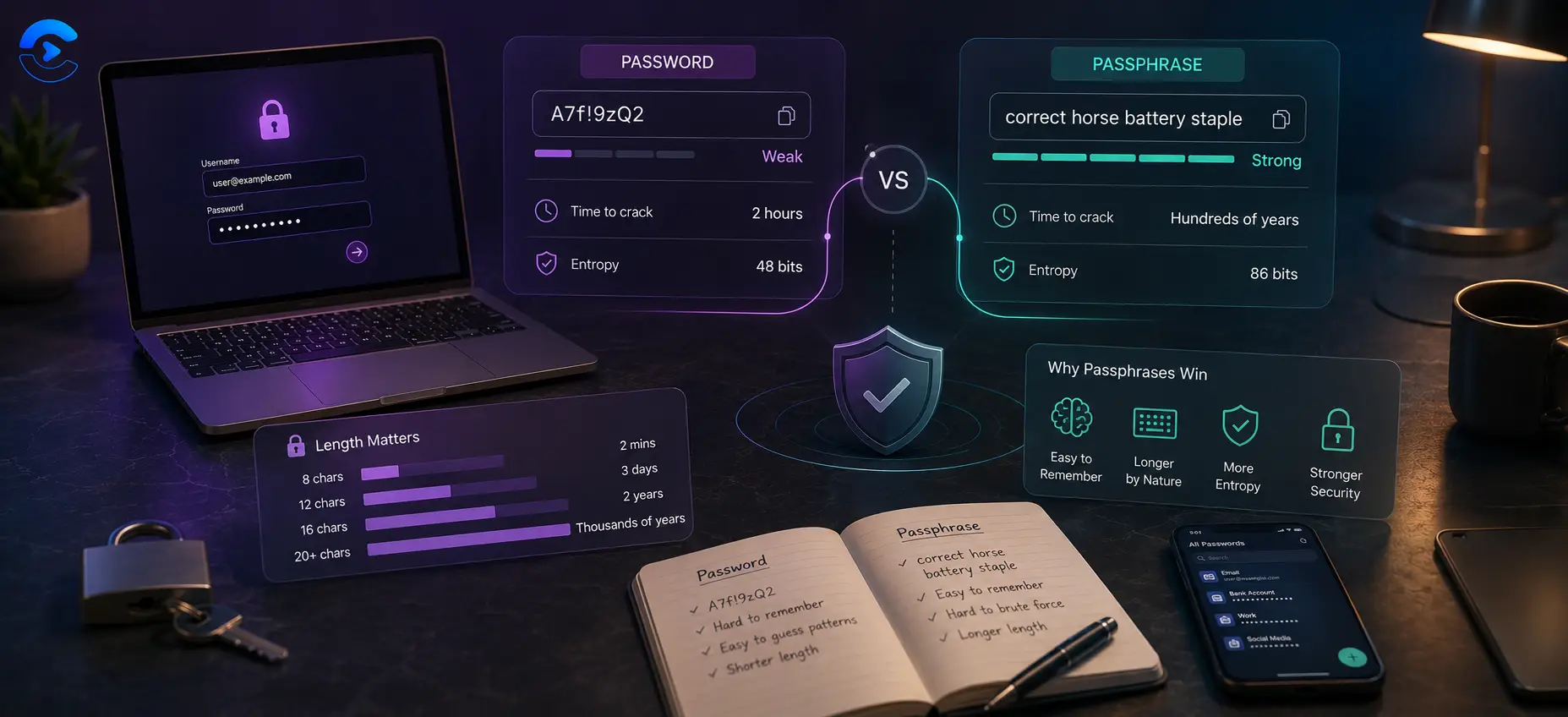
Passphrase vs Password Security: Which Wins on Entropy? A four word random passphrase usually beats a complex ten character password on both entropy and memorability. Running the numbers, four words chosen randomly from a large word list can produce more than fifty bits of entropy, while a ten character password mixing uppercase, lowercase, numbers, and…
-
How Do Hackers Crack Passwords? Real Methods Explained
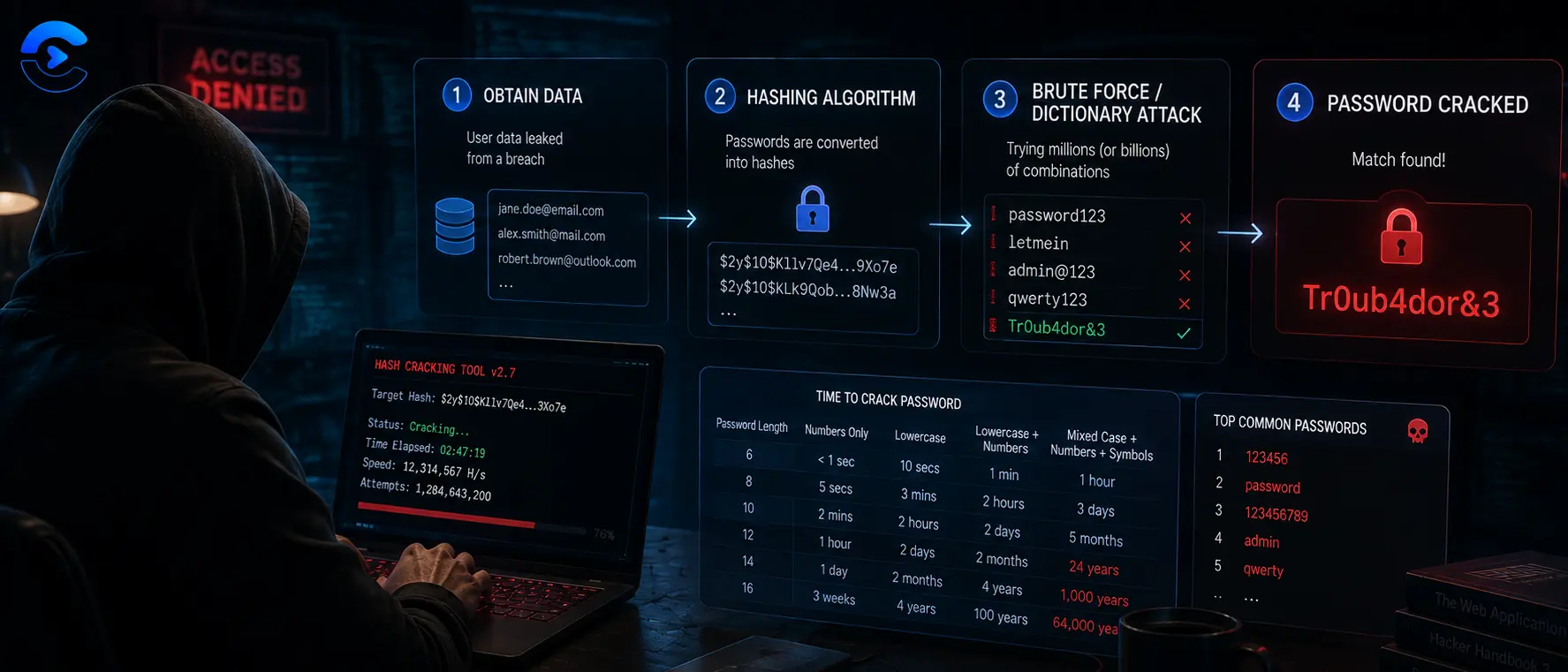
How Do Hackers Crack Passwords? Real Methods Explained So how do hackers crack passwords in practice? Mostly they do not guess one character at a time in front of a login box. They steal a database of password hashes, then run that file through cracking software on their own hardware, testing millions or billions of…
-
How Password Strength Is Measured (And Why It Matters)
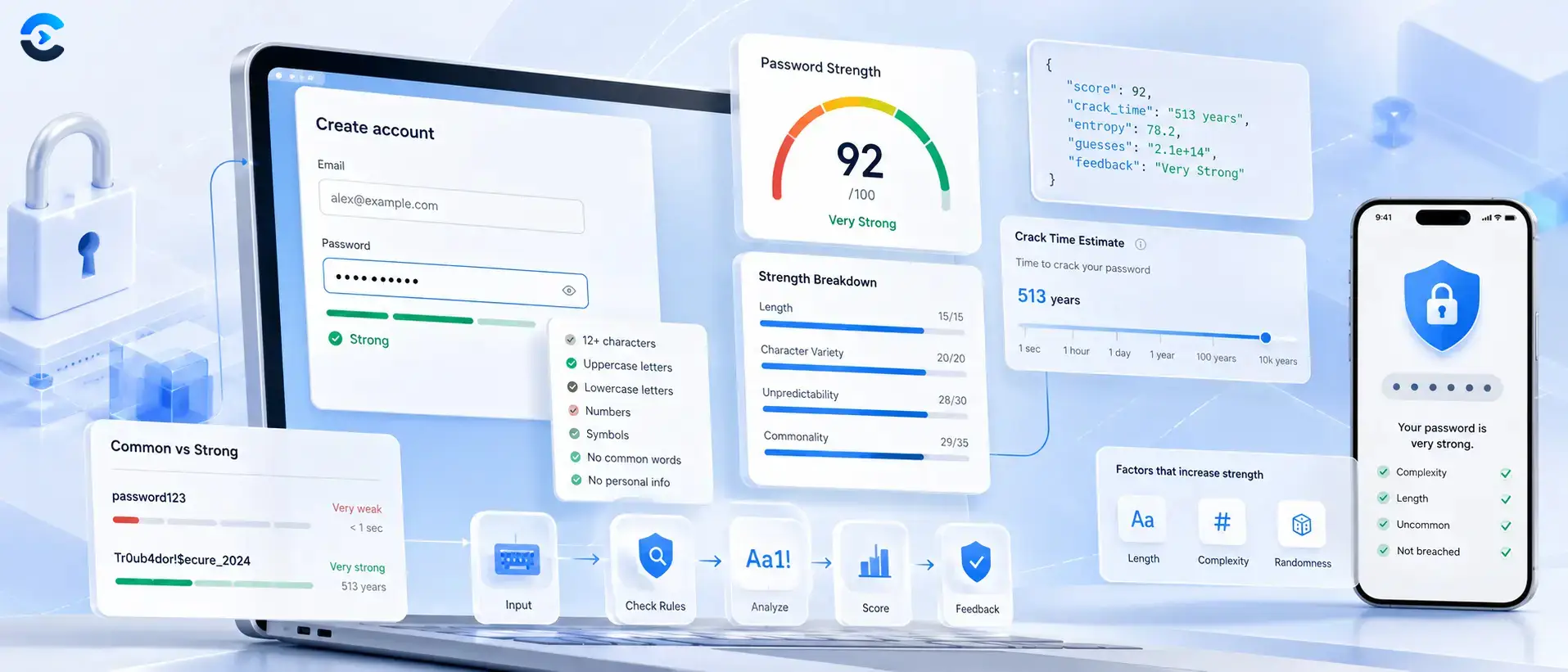
How Password Strength Is Measured (And Why It Matters) Password strength is measured by combining four factors: length, character set variety, entropy (how many guesses an attacker would statistically need), and pattern detection that flags predictable substitutions and dictionary words. A strength meter is not just counting characters. It is estimating how long a real…