Free SEO Tools Online

Home / Tools / SEO & Marketing

SEO tools that generate the tag, not the opinion

Meta tags, Open Graph, canonicals, robots files, sitemaps, schema markup, slugs and UTM links. Mechanical work with correct answers, which is the part worth automating.

8 tools here, 150+ across the site
convertnow.tools › tools › seo-marketing
SEO Tools Online Free | Meta Tags, Schema, Sitemaps
Generate meta tags, Open Graph previews, robots.txt, XML sitemaps and JSON-LD schema. Free, no signup, runs in your browser.
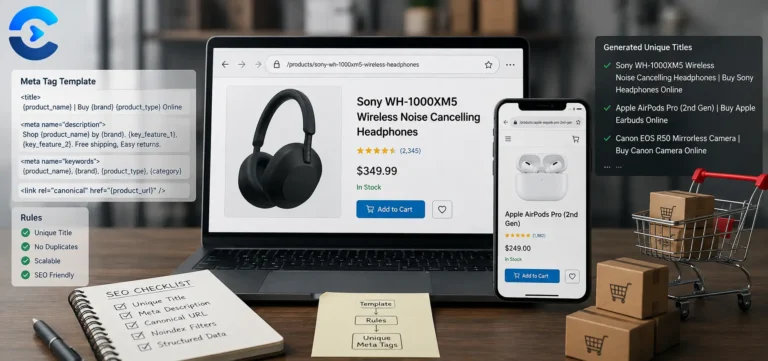
Title 52 chars · Description 138 chars · both within limits
Limits

The character budgets that actually get enforced

Search engines and social platforms truncate rather than reject. Exceed a limit and your carefully written ending simply disappears behind an ellipsis.

Title tag50 to 60Google truncates on pixel width rather than character count, around 580px on desktop. Sixty characters is a safe proxy.
Meta description150 to 160Not a ranking factor, but it is your ad copy. Google rewrites it more than half the time anyway.
og:title60 to 90Facebook and LinkedIn allow more room than search results do.
og:descriptionup to 200Truncation varies by platform and by whether it renders on mobile or desktop.
og:image1200 × 630The 1.91 to 1 ratio. Anything smaller than 600px wide may not render as a large card at all.
URL slug3 to 5 wordsLowercase, hyphen separated, no stop words. Shorter URLs earn more clicks in the results page.
Reference

Which tags earn their place in your head

Plenty of meta tags exist. Only a handful change anything in 2026.

TagDoes it matterWhy
titleYes, a lotStill one of the strongest on page signals, and the thing people click.
meta descriptionIndirectlyNot a ranking factor since 2009, but it drives click through rate, which is.
canonicalYesTells search engines which URL is authoritative when the same content sits at several addresses.
robotsYesControls indexing and snippet behaviour per page. A stray noindex left on after a staging launch is a classic disaster.
Open GraphYes, for sharingControls how the link looks on Facebook, LinkedIn, WhatsApp, Slack and Discord.
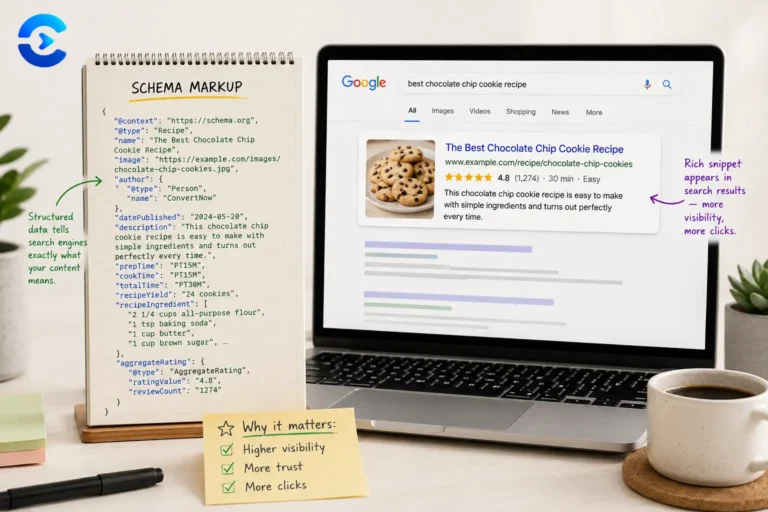
JSON-LD schemaYesEnables rich results such as FAQ, recipe, product and breadcrumb. Google’s preferred format over microdata.
meta keywordsNoIgnored by Google since 2009. Filling it in achieves nothing except telling competitors your target terms.
meta author, revisit-afterNoNot used by any major engine. Legacy from the 1990s.

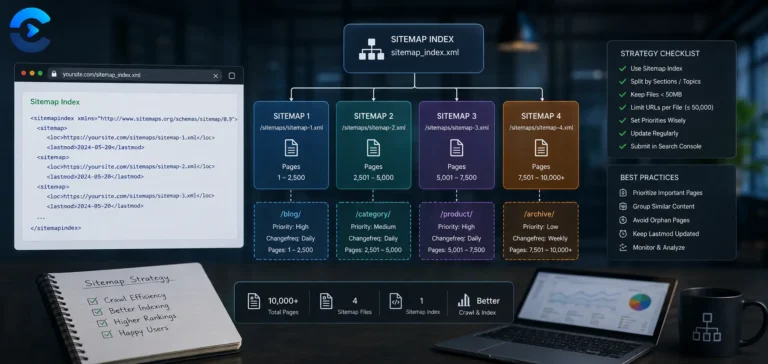
Google publishes what it supports in the special tags documentation, and the full structured data type list lives at Schema.org. The sitemaps protocol is short and worth reading once, particularly the part about the 50,000 URL and 50MB limits per file.

Before launch

Seven things to check the day a page goes live

In rough order of how much damage getting them wrong causes.

No stray noindexThe single most expensive mistake in technical SEO. A robots meta tag or an X-Robots-Tag header carried over from staging removes the page from search entirely, silently.
Canonical points at itselfUnless the page genuinely is a duplicate. A canonical accidentally pointing at the homepage will deindex the whole section.
robots.txt does not block the pageBlocking in robots.txt does not remove a page from the index, it only stops the crawler reading it, which can be worse than either alternative.
Title is unique across the siteDuplicate titles across many pages is one of the strongest thin content signals there is.
og:image resolves and is large enoughTest the actual URL. A relative path or an image behind auth produces a bare link with no card.
Schema validatesMalformed JSON-LD is ignored entirely rather than partially honoured, so a missing comma costs you the rich result.
The page is in your sitemapAnd the sitemap you submitted is the one your CMS is actually updating. Running two sitemap plugins at once is more common than you would think.
Browse more

More tool categories

Every category on ConvertNow, free and growing.

FAQ

SEO tools questions worth a straight answer

Including the one about FAQ rich results, which has changed.

Will FAQ schema still get me a rich result in Google?
No, not any more. Google restricted FAQ rich results to government and health sites in August 2023, then stopped showing them entirely on 7 May 2026 and is removing the Search Console report and API support during 2026. The markup remains valid Schema.org and is still read by Bing and by AI retrieval crawlers, so it is worth keeping, but do not expect it to change how your listing looks in Google.
Do meta keywords still matter?
No. Google has ignored the keywords meta tag since 2009. Filling it in achieves nothing except publishing your target terms to competitors who view the page source.
How long should a title tag be?
Aim for 50 to 60 characters. Google truncates based on pixel width rather than character count, around 580 pixels on desktop, so a title full of wide characters cuts sooner. The important words belong at the front.
Does this tool crawl my website?
No. These are generators and validators. Tags, sitemaps, robots files and JSON-LD are built in your browser from what you type, and the canonical and Open Graph checkers read a page you point them at rather than crawling a whole site.
What is the difference between a 301 and a 302 redirect?
A 301 is permanent and passes ranking signals to the new URL. A 302 is temporary and search engines keep the old URL indexed. Using a 302 for a genuine move is one of the more common and more costly technical SEO mistakes.
Do I actually need a sitemap?
For a small, well linked site, not really. It earns its place when you have pages that are not well linked internally, a large site, a new site with few backlinks, or content that changes often. A sitemap helps discovery, it does not improve ranking.
Should I block a page in robots.txt to get it out of Google?
No, and this is a common trap. Blocking in robots.txt stops the crawler reading the page, which means it can never see a noindex tag either. The page can stay indexed with no description. Use a noindex meta tag and leave the page crawlable.
Which schema types are worth adding?
Article, Product, Breadcrumb, Organisation and LocalBusiness all still drive visible features. Recipe, Event and Review remain strong in their verticals. Check the Google structured data documentation before investing time, since supported types change more often than most guides admit.
How it works

No crawling, no accounts

These are generators and validators rather than a rank tracker, which is why they need nothing from you.

Generated locallyTags, sitemaps, robots files and JSON-LD are all built in your browser from what you type. No site is crawled and nothing is submitted anywhere.
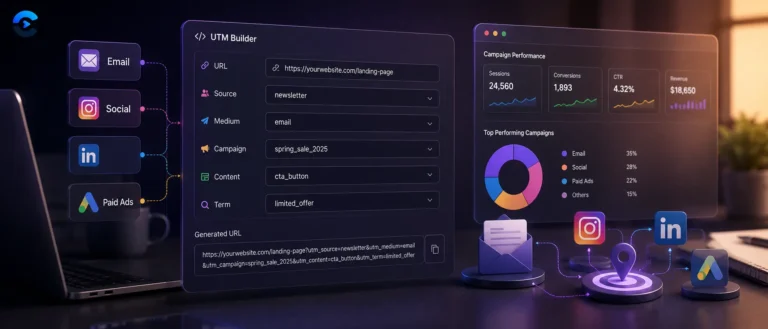
Output you can readEverything produced is plain text or markup you can inspect line by line before pasting it into your site. No obfuscation, no tracking parameters added.
Standards, not guessesCharacter limits, schema types and robots directives follow published documentation from Google, Schema.org and the sitemaps protocol rather than folk wisdom.
Explore all tools
Privacy Overview

Cookies let this site remember your preferences and show us which tools people actually use. Full detail sits in our Privacy Policy.