
Latest posts
-
Sitemap Strategy for Large Websites (10K+ Pages)
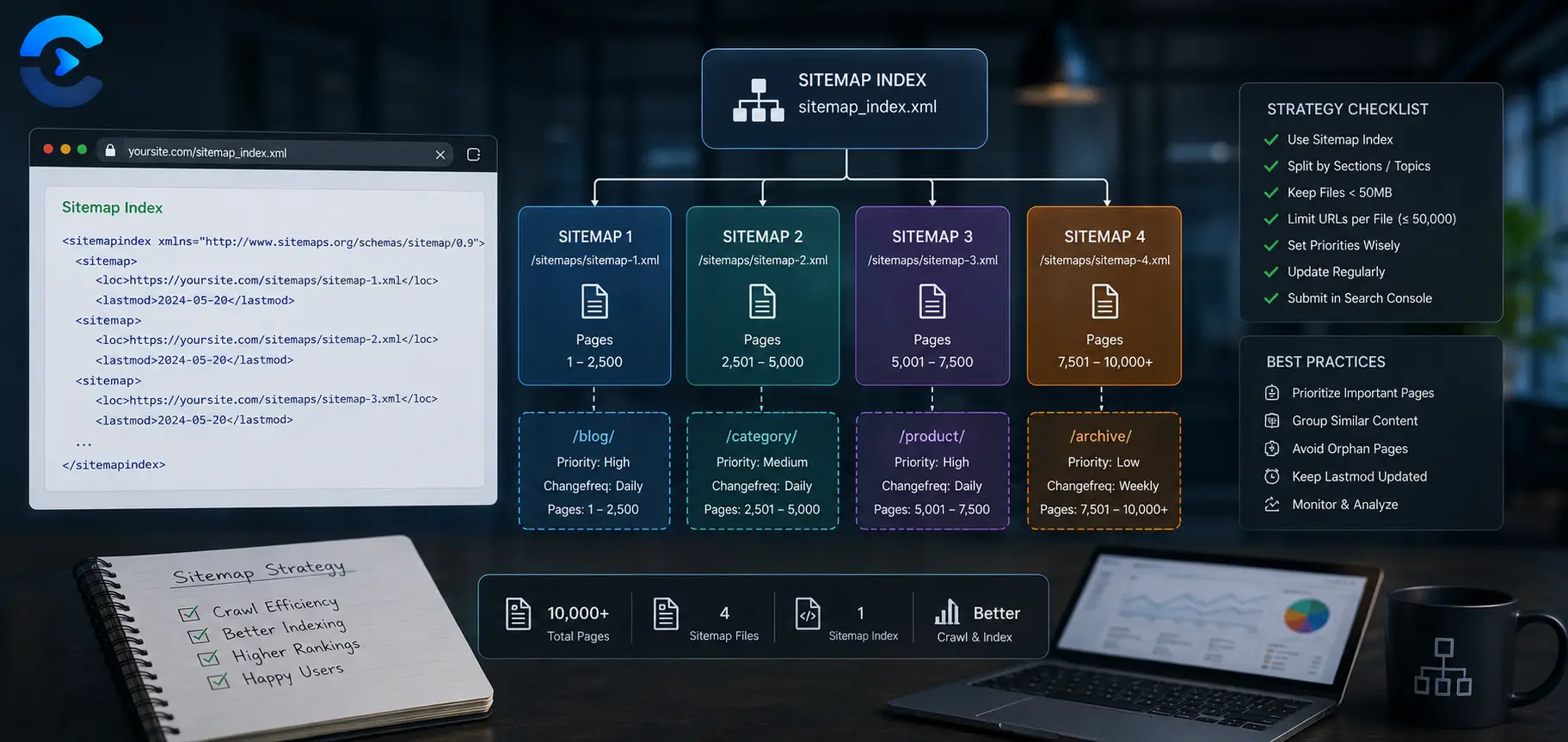
Sitemap Strategy for Large Websites (10K+ Pages) A sitemap strategy for large websites means splitting your URLs into multiple sitemap files grouped by content type or date, linking them together with a sitemap index file, and using them to steer search engines toward your most valuable pages first. This matters because the XML sitemap protocol…
-
Meta Tags for Ecommerce at Scale Without Duplicate Titles

Meta Tags for Ecommerce at Scale Without Duplicate Titles Getting meta tags for ecommerce at scale right means replacing static, hand written titles with a template built from product attributes, such as brand, model, and one key spec. Instead of writing a title for each of ten thousand products, you write one formula that pulls…
-
Why Isn’t My Schema Showing Rich Snippets? Explained
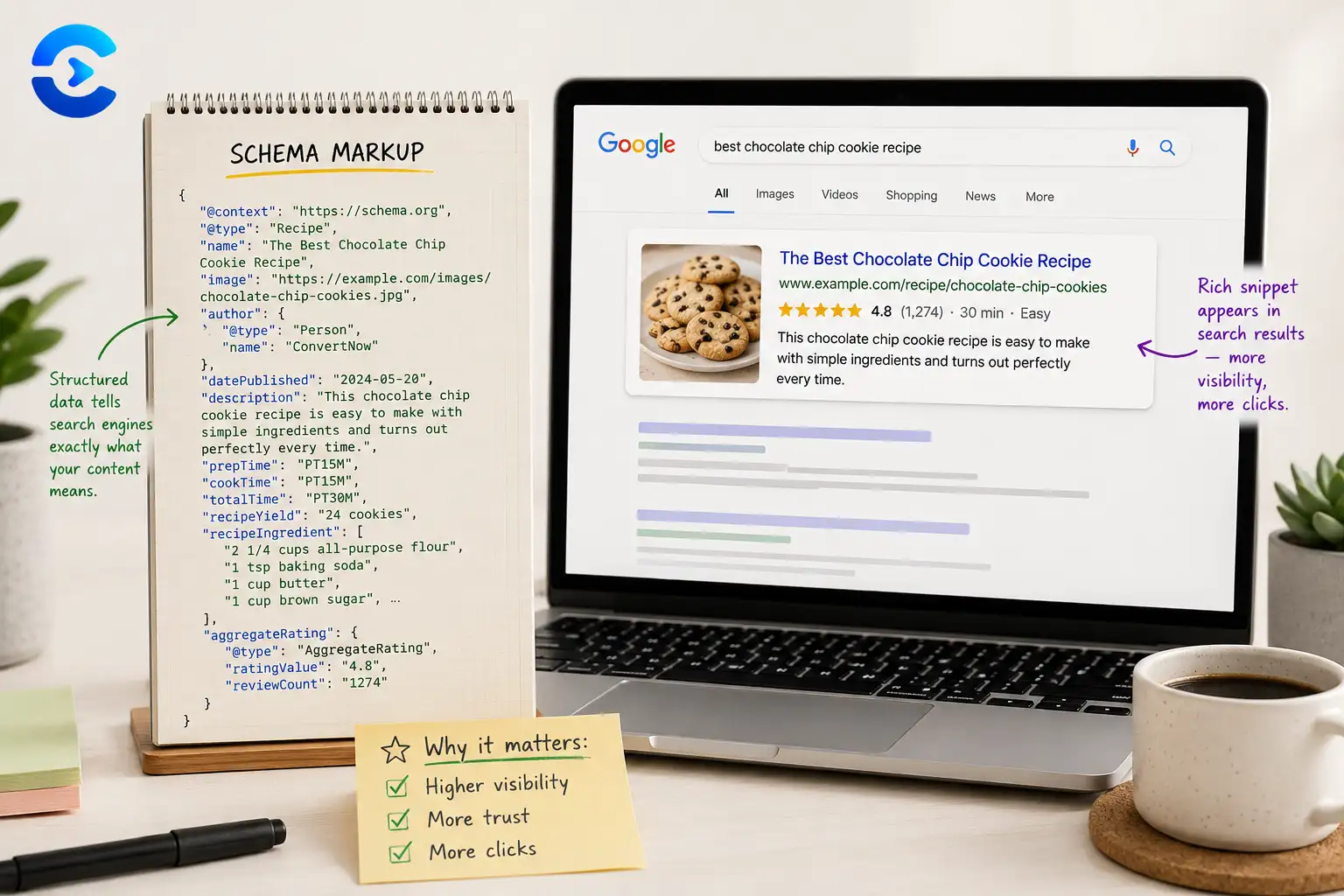
Why Isn’t My Schema Showing Rich Snippets? Explained Your schema might not show rich snippets because valid structured data only makes you eligible, it never guarantees display. Google decides case by case whether a rich result adds value for a given query, and it can ignore perfectly valid markup. The most common blockers are minor…
-
UTM Builder: How to Track Campaigns With UTM by Channel

UTM Builder: How to Track Campaigns With UTM by Channel The short answer for how to track campaigns with UTM is this, add utm_source, utm_medium, and utm_campaign parameters to a link, and optionally utm_term and utm_content, using a distinct combination for each channel. An email link might use source=newsletter and medium=email, a social post might…
-
A Beginner’s Guide to robots.txt Allow Disallow Sitemap

A Beginner’s Guide to robots.txt Allow Disallow Sitemap A robots.txt file uses three core directives together: Disallow to block crawlers from specific folders, Allow to carve out exceptions inside a blocked area, and Sitemap to point search engines to your full list of pages. Understanding robots.txt allow disallow sitemap rules together, rather than as separate…
-
What Are UTM Parameters? How to Track Your Traffic

What Are UTM Parameters? How to Track Your Traffic UTM parameters are small tags you add to the end of a URL that tell Google Analytics exactly where a visitor came from, what type of marketing sent them, and which specific campaign was responsible. Instead of seeing generic traffic labeled as direct or referral, you…